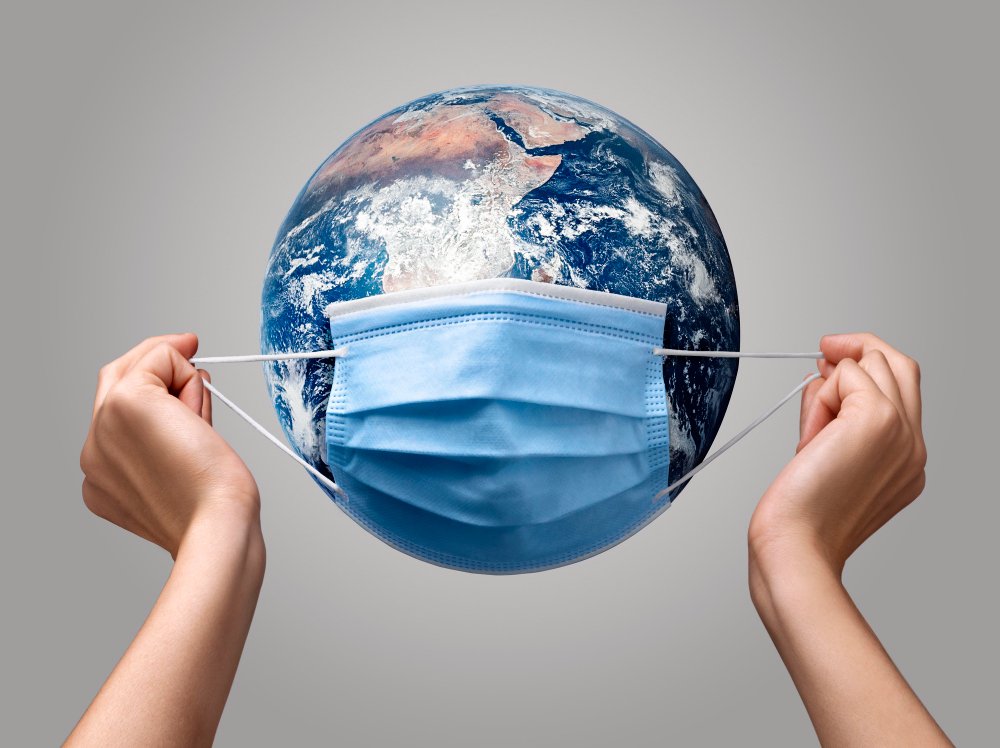
The COVID-19 pandemic was a global shock unlike anything most people alive today had seen before. It strained health systems, disrupted economies and reshaped daily life around the world. Now, as countries move further away from the peak of the crisis, attention has shifted from emergency response to recovery and rebuilding. This piece looks at how that recovery is playing out globally, what the key signs of progress are, which countries are leading the way, and the main challenges and opportunities ahead.
A Global Snapshot of Post-Pandemic Recovery
Countries have not recovered from COVID-19 in the same way or at the same speed. Each has faced its own mix of health, economic and social pressures, and has chosen different strategies in response.
Some economies have bounced back relatively quickly, helped by strong healthcare systems, large stimulus packages and rapid vaccination campaigns. Others are still struggling with the after-effects of the crisis, whether in the form of high debt, weak growth, overloaded health services or ongoing social strain.
International cooperation has played an important role. Bodies such as the World Health Organization and the International Monetary Fund have provided advice, finance and coordination. Global supply chains, which were heavily disrupted during the pandemic, are gradually being rebuilt. At the same time, there is far more talk about making those supply chains more resilient, sustainable and less vulnerable to future shocks.
The pandemic also turbocharged digital transformation. Remote working, online schooling, e-commerce and telemedicine all moved from niche or optional to mainstream in many places. For some countries and sectors, this has opened up new ways of working and new sources of growth. But the digital divide remains a real problem: communities and countries with poor connectivity or limited access to devices and skills risk being left behind in this new phase.
What Successful Recovery Looks Like
Post-pandemic recovery can be tracked through several key indicators.
Economic indicators
- GDP growth: A basic measure of how quickly economies are expanding again. Many countries are aiming not just to get back to pre-COVID levels, but to put themselves on a stronger long-term path.
- Employment: Rising employment and labour force participation are crucial signs of recovery. Where job numbers have returned to or exceeded pre-pandemic levels, it suggests that support policies and reopening strategies have been relatively effective.
Health indicators
- Vaccination rates: High and broad vaccine coverage has allowed countries to lift restrictions, reopen sectors and reduce the pressure on hospitals.
- Health system resilience: The ability of health services to manage new waves, treat other conditions and clear backlogs is a key test of how well systems have recovered.
Social indicators
- Mental health: The pandemic took a heavy toll on mental well-being. Countries investing in mental health support, counselling and community services are better placed to deal with the longer-term social impact.
- Education: School closures widened learning gaps. Catch-up programmes, digital access initiatives and support for disadvantaged students are important signs that recovery strategies are looking beyond headline economic numbers.
- Social cohesion: Trust in institutions, levels of polarisation and the strength of community networks all matter for long-term resilience.
The most robust recovery strategies are those that look across all of these dimensions, rather than focusing on GDP alone.
Leading Recovery Models Around the World
A number of countries are frequently cited as examples of relatively effective recovery, each for different reasons.
New Zealand
New Zealand has often been praised for its early containment measures and clear communication during the height of the pandemic. Strong border controls, decisive action and a well-organised vaccination campaign helped limit the health impact compared with many other countries. Its government has also paid attention to mental health and community well-being, recognising that recovery is not only about economic indicators.
South Korea
South Korea has stood out for its use of technology and data. Widespread testing, digital contact tracing and targeted restrictions allowed the country to control outbreaks without prolonged nationwide lockdowns. Its strong technology sector has supported a relatively fast economic recovery, with investment in digital industries helping to drive growth. A reasonably comprehensive welfare system has also cushioned the economic blow for many households.
Germany
Germany’s approach has combined solid healthcare capacity with strong social and economic support. Short-time work schemes, grants and loans helped keep businesses afloat and workers attached to their employers. At the same time, Germany has framed its recovery around a “green” agenda, investing in renewable energy, low-carbon infrastructure and cleaner technologies. This reflects an attempt to use the crisis as a springboard for a more sustainable economic model.
Each of these examples underlines the importance of tailored strategies that reflect local conditions but still invest in long-term resilience.
Ongoing Challenges and New Opportunities
The global recovery is far from complete, and several major challenges remain.
Uneven recovery and vaccine inequity
Economic performance has been highly uneven. Many low-income and lower-middle-income countries have faced:
- Limited fiscal space to support households and businesses
- Slower access to vaccines and medical supplies
- Higher vulnerability to external shocks
Vaccine inequity has been a particularly stark issue. While many richer countries moved on to booster campaigns, some poorer nations struggled to secure doses for first and second shots. This gap risks prolonging the health crisis and delaying full economic recovery in those regions.
Geopolitical tensions and supply chains
Tensions between major powers and shifting trade relationships have complicated the recovery. The pandemic exposed how dependent many countries were on global supply chains for everything from medical supplies to semiconductors. In response, there is greater interest in reshoring, diversification and building regional supply networks.
While this may improve resilience, it also raises the risk of more protectionism and fragmentation, which could weigh on global growth if handled badly.
Opportunities for transformation
Alongside the challenges, there are real openings for positive change:
- Digitalisation: Countries that continue to invest in digital infrastructure, skills and access can boost productivity, broaden participation in the labour market and open up new business models.
- Green transition: Recovery packages focused on renewable energy, public transport, building efficiency and climate adaptation can create jobs while addressing environmental risks.
- Social priorities: The pandemic has forced governments and societies to think more seriously about mental health, childcare, eldercare and fair access to healthcare and education.
If these opportunities are seized, the recovery could set the foundation for more inclusive and sustainable growth rather than just a return to the old status quo.
Lessons for the Future
As the world works through the complex process of post-pandemic recovery, a few lessons are becoming clear:
- Preparedness matters: Countries with stronger health systems, better safety nets and clearer emergency plans coped relatively better.
- Data and technology can help, but are not enough on their own: Trust, communication and social solidarity are just as important.
- International cooperation is essential: Whether on vaccines, finance, trade or climate, no country can tackle global shocks entirely alone.
- Recovery should be about resilience, not just rebound: The goal is not simply to regain lost ground, but to build systems that can withstand future crises.
If governments and international institutions take these lessons seriously, the world has a chance to emerge from the pandemic not only recovered, but better prepared and more balanced than before. The choices made now — on investment, social policy, climate, and global cooperation — will decide whether recovery is shallow and short-lived or genuinely transformative.