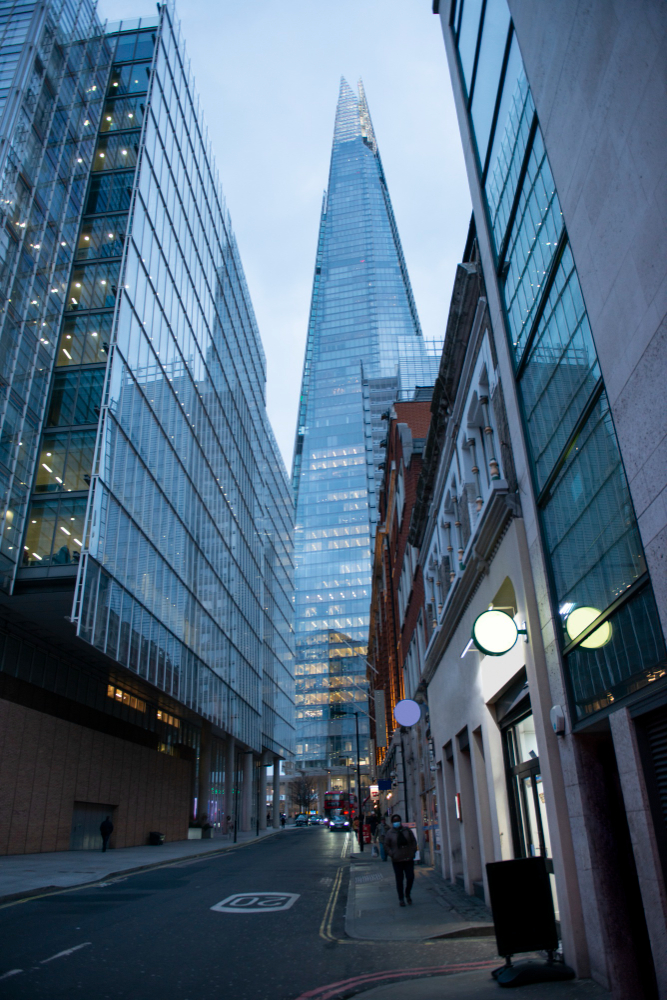
The London Stock Exchange (LSE) has been at the heart of global finance for centuries. It matters not just for the UK economy, but for how capital flows around the world. Looking ahead, its future will be shaped by how it adapts to competition, new technology and shifting regulation. Understanding that evolution gives a clearer view of how the LSE will continue to influence global markets.
How the LSE’s Role Has Evolved
The LSE traces its roots back to the 17th century, when traders met in London coffee houses to buy and sell shares and commodities. From those early days, it has grown into one of the world’s leading capital markets.
Originally, the exchange mainly served British companies and domestic investors. Over time, especially from the late 20th century onwards, it became far more international. Overseas firms started listing in London to tap into deep pools of capital and global investors. Today, the LSE is a platform where companies from many different countries raise money, list their shares and signal their ambitions.
Globalisation and the increased integration of financial markets have cemented its role. The LSE is now:
- A key venue for raising equity and debt
- A marketplace for mergers, acquisitions and restructuring
- A gateway for international investors who want exposure to both developed and emerging markets
The challenge now is to keep that role as the financial map changes. New centres are rising, capital is more mobile and competition is intense. To stay relevant, the LSE will need to build on its history, maintain high standards and continue to innovate in the way it serves companies and investors.
Challenges and Opportunities in a Global Market
The LSE operates in a crowded field. It competes with other major exchanges such as:
- The New York Stock Exchange and Nasdaq
- Euronext
- The Hong Kong Stock Exchange and other Asian venues
All of them are trying to attract global firms and global capital. That competition is not just about fees. It is also about regulation, liquidity, reputation and access to different investor bases.
Political and economic uncertainty have added to the pressure. Brexit, shifting trade policies and wider geopolitical tensions have all affected perceptions of the UK as a financial centre. These factors can influence where companies choose to list, where funds are domiciled and how investors allocate their money.
Despite this, there are clear opportunities:
- Emerging markets: As companies from fast-growing economies look to raise international capital, the LSE can position itself as a trusted, well-regulated venue for global listings.
- Sustainable finance: With the rise of ESG and green finance, London can use its existing strengths in regulation, professional services and market infrastructure to become a leading hub for sustainable investment products.
- Specialised markets and products: The LSE can continue to develop segments for smaller growth companies, bonds, ETFs and other instruments that appeal to different types of issuers and investors.
Success will depend on how well the LSE differentiates itself: offering strong governance, deep liquidity, reliable regulation and access to a broad mix of global investors.
Technology and the Future of Trading
Technology has transformed how markets work, and the LSE has had to adapt at pace.
One major development has been the growth of algorithmic and high-frequency trading. These methods rely on powerful computers and sophisticated code to execute trades in fractions of a second. They can increase liquidity and narrow spreads, but they also bring challenges around market stability, fairness and oversight. The LSE must continue to provide fast, robust and secure trading systems while managing the risks that come with speed.
Another area of change is blockchain and digital assets. While traditional shares and bonds still dominate, there is growing interest in:
- Tokenised assets
- Digital securities
- Infrastructure that uses distributed ledger technology
If the LSE chooses to move further into this space, it has the chance to offer more transparent and efficient settlement processes, as well as new types of instruments. Any such move would need to be tightly aligned with regulation and market demand.
Artificial intelligence and machine learning are also becoming embedded in market infrastructure. These tools can:
- Analyse large datasets to detect patterns and risks
- Support surveillance and market integrity functions
- Help design better products and services for issuers and investors
By using these technologies carefully, the LSE can improve its operations and offer more tailored solutions, but it must also be alert to ethical, legal and systemic questions that come with AI.
Regulation and Its Global Effects
Financial markets are heavily regulated for good reason: to protect investors, keep markets fair and reduce systemic risk. The LSE operates within the UK’s regulatory framework, but the impact of those rules is global, given the number of international participants using the exchange.
Recent years have seen major regulatory changes, including:
- Tougher transparency and reporting requirements
- Stricter capital and risk standards for financial institutions
- Greater focus on market abuse, insider dealing and conduct
Adapting to these rules is a constant task. The LSE must ensure its systems and practices comply, while still allowing innovation and competitive products. If regulation is too lax, confidence is damaged. If it is too heavy-handed, business moves elsewhere.
As a leading market, the LSE also has influence. Its standards and practices can help shape international norms, especially when it works alongside other exchanges, regulators and global bodies. This is increasingly important in areas such as:
- ESG disclosure and reporting
- Climate-related financial risks
- Rules around digital assets and new technologies
By engaging early with regulators and industry, the LSE can help design rules that protect investors and stability without stifling progress.
Looking Ahead: The LSE’s Place in Global Finance
The London Stock Exchange’s future is not guaranteed, but it has strong foundations: deep experience, widely respected standards and a long track record as a global marketplace.
To remain a central player in world finance, it will need to:
- Compete effectively with other exchanges for listings and liquidity
- Invest in technology that makes trading more efficient, secure and innovative
- Respond quickly and intelligently to regulatory change
- Tap into new areas of growth, such as sustainable finance and emerging markets
If it can do that, the LSE will continue to act as a key channel for capital between companies and investors, shaping how businesses grow and how savings are invested. Its evolution will not just affect the UK, but the wider global financial system that still looks to London as one of its main centres of gravity.