The advent of artificial intelligence (AI) has ushered in a transformative era for the global workforce. As AI technologies become increasingly sophisticated, their impact on job markets worldwide has become a focal point of discussion among policymakers, businesses, and workers alike. This article explores the multifaceted impact of AI on job creation, examining how these technologies are reshaping workforce dynamics, the dual nature of AI in terms of job opportunities and displacement, the evolution of skills needed in an AI-driven future, and the policy implications necessary to navigate these changes.
Understanding AI’s Role in Modern Workforce Dynamics
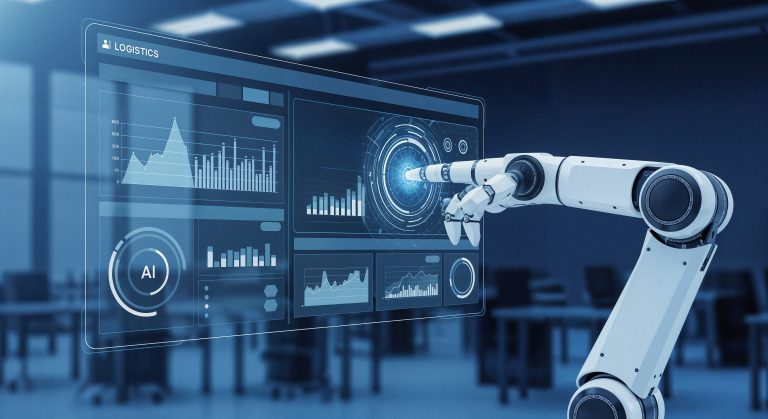
Artificial intelligence is fundamentally altering the dynamics of the modern workforce by automating routine tasks and enabling more efficient processes across various industries. In sectors such as manufacturing, AI-driven machines and robotics are taking over repetitive manual tasks, allowing human workers to focus on more complex and creative responsibilities. This shift not only enhances productivity but also opens up new avenues for innovation and growth within organizations, as employees are freed from mundane tasks to engage in more strategic roles.
Moreover, AI is playing a pivotal role in enhancing decision-making processes. By analyzing vast amounts of data with unprecedented speed and accuracy, AI systems provide valuable insights that drive strategic business decisions. This capability is fostering a demand for data analysts and AI specialists who can interpret and leverage these insights to benefit companies. Consequently, AI is not only transforming existing jobs but also creating new roles that require specialized skills in data science and machine learning.
As AI continues to permeate various sectors, its role in modern workforce dynamics extends to improving customer experiences and personalizing services. From chatbots in customer service to personalized recommendation systems in e-commerce, AI is enhancing the way businesses interact with their customers. This shift is leading to the creation of jobs in AI development, customer relationship management, and user experience design, as companies strive to harness AI’s potential to improve customer satisfaction and loyalty.
The Dual Nature of AI: Job Creation and Displacement
The impact of AI on job creation is a double-edged sword, offering both opportunities and challenges. On one hand, AI technologies are generating new job opportunities in fields such as AI development, data analysis, and cybersecurity. As companies integrate AI into their operations, the demand for professionals with expertise in these areas is surging, leading to the creation of a range of new roles that did not exist a decade ago. These jobs often require advanced technical skills and a deep understanding of AI technologies, underscoring the importance of education and training in these fields.
Conversely, AI also poses a risk of job displacement, particularly in industries that rely heavily on routine and repetitive tasks. Automation of such tasks by AI systems can lead to significant workforce reductions, as machines prove more efficient and cost-effective than human labor. This displacement is most evident in sectors such as manufacturing, transportation, and retail, where AI technologies are increasingly capable of performing tasks traditionally handled by human workers. The challenge lies in managing this transition and ensuring that affected workers have opportunities to reskill and transition into new roles.
The dual nature of AI in job creation and displacement necessitates a balanced approach. While AI can replace certain jobs, it also has the potential to create more fulfilling and higher-paying roles. The key is to leverage AI’s capabilities to complement human skills rather than replace them entirely. By fostering collaboration between humans and machines, businesses can maximize the benefits of AI while minimizing its disruptive impact on employment.
Skills Evolution: Preparing for an AI-Driven Future
As AI continues to reshape the job market, the skills required to thrive in an AI-driven future are evolving rapidly. Technical skills related to AI development, such as programming, machine learning, and data analysis, are in high demand as companies seek to harness AI’s potential. However, technical expertise alone is not sufficient. Soft skills, including critical thinking, creativity, and emotional intelligence, are becoming increasingly important, as they enable workers to complement AI technologies and add value beyond what machines can achieve.
To prepare for an AI-driven future, education systems must adapt to equip students with the necessary skills. This means integrating AI literacy into curricula at all levels of education, from primary schools to universities. By fostering an understanding of AI technologies and their applications, educational institutions can prepare students for a workforce where AI plays a central role. Moreover, continuous learning and upskilling opportunities are crucial for current workers to remain competitive in an ever-changing job market.
Businesses also have a responsibility to support the skills evolution by investing in employee training and development programs. By providing opportunities for workers to acquire new skills and adapt to changing job requirements, companies can ensure their workforce remains agile and capable of leveraging AI technologies effectively. This proactive approach not only benefits individual workers but also enhances organizational resilience and competitiveness in a rapidly evolving business landscape.
Policy Implications: Navigating AI-Induced Job Shifts
The widespread adoption of AI technologies necessitates comprehensive policy frameworks to address the resulting job shifts. Policymakers must consider strategies to manage the transition for workers displaced by AI, ensuring they have access to reskilling and upskilling opportunities. This may involve collaboration between governments, educational institutions, and businesses to create training programs that align with the evolving demands of the job market.
Social safety nets must also be strengthened to support workers affected by AI-induced job displacement. Unemployment benefits, retraining subsidies, and job placement services can provide a safety net for displaced workers, helping them transition to new roles. Policymakers must ensure that these support systems are accessible and effective in addressing the needs of workers in a rapidly changing employment landscape.
Additionally, regulatory frameworks must be established to address the ethical and societal implications of AI in the workforce. This includes ensuring transparency and accountability in AI systems, protecting workers’ rights, and addressing concerns related to data privacy and security. By proactively addressing these issues, policymakers can foster a balanced approach to AI integration that promotes economic growth while safeguarding workers’ interests.
The impact of AI on job creation is a complex and multifaceted issue that requires careful consideration and strategic planning. While AI offers significant opportunities for job creation and economic growth, it also presents challenges related to job displacement and the evolution of skills. By understanding AI’s role in workforce dynamics, acknowledging its dual nature, preparing for a skills evolution, and implementing thoughtful policies, society can navigate the AI-driven transformation of the job market effectively. The key lies in fostering a collaborative approach that harnesses the strengths of both humans and machines, ultimately leading to a more dynamic and resilient workforce.