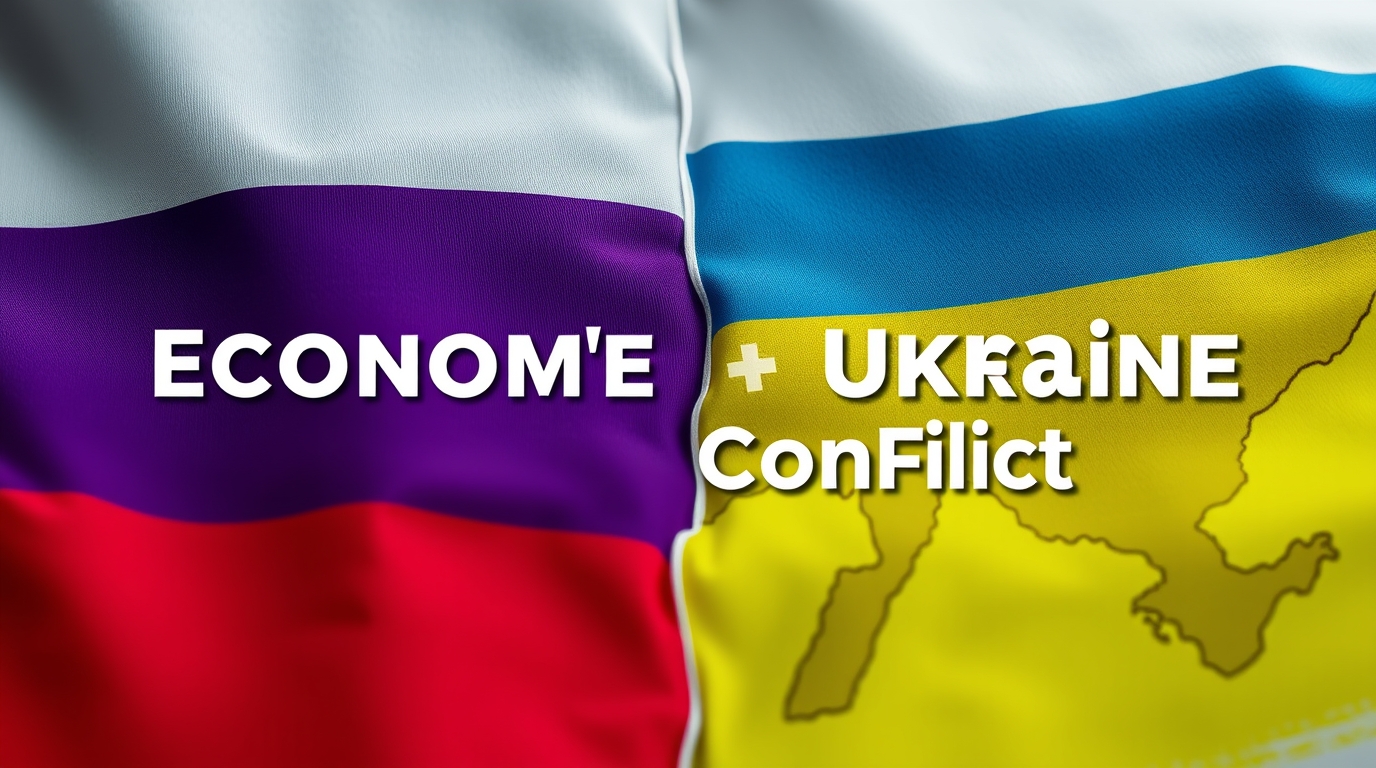
The Russia-Ukraine conflict, which began in 2014 and escalated sharply in 2022, has had deep and lasting consequences. Beyond the human cost and political fallout, it has shaken the global economy, disrupted key sectors and forced governments and businesses to rethink how they operate. This piece looks at the economic impact of the war, focusing on the sectors hit hardest, trade and supply chain disruption, and the potential long-term consequences and paths to recovery.
Overview of the Russia-Ukraine Conflict
The conflict started in 2014 with Russia’s annexation of Crimea, a move widely condemned and met with rounds of economic sanctions. Tensions simmered for years, then erupted into a full-scale invasion of Ukraine in 2022, marking one of Europe’s most serious military crises since the Second World War.
The human toll has been immense: thousands of deaths, millions displaced, and widespread destruction of homes, infrastructure and industry. Diplomatically, the war has deepened divides between Russia and much of the West, and has fundamentally altered security and foreign policy debates across Europe and beyond.
Economically, the effects have spread far beyond the region. Russia is a major exporter of energy and raw materials; Ukraine has long been a key agricultural producer, often described as the “breadbasket of Europe”. Disruption in either country inevitably feeds through into global prices, trade flows and supply chains.
Attempts at mediation and peace talks have taken place, but the situation remains fluid and highly uncertain. For policymakers and businesses, understanding the economic dimensions of the conflict is essential to managing risk and planning ahead.
Key Global Sectors Affected
Energy
Energy has been one of the most exposed sectors. Russia is a major supplier of oil and, especially, natural gas, particularly to Europe. The conflict, combined with sanctions and retaliatory measures, has:
- Disrupted gas flows and raised concerns over supply security
- Pushed up wholesale energy prices
- Accelerated efforts in Europe and elsewhere to cut dependence on Russian fuel and speed up the transition to renewables
While this shift supports climate and energy-security goals in the long run, in the short term it has meant higher costs for households and businesses, and tough choices for governments.
Agriculture
Ukraine is a major exporter of wheat, maize and sunflower oil. Fighting, mined fields, damaged infrastructure and blocked Black Sea ports have all hit its agricultural output and export capacity. The result has been:
- Tighter global supplies of key food commodities
- Higher prices, particularly affecting import-dependent and lower-income countries
- Increased concern about food security and hunger in vulnerable regions
Even partial disruptions in Ukrainian exports have knock-on effects for global food markets.
Manufacturing and raw materials
Both Russia and Ukraine supply important raw materials and components used in manufacturing. The conflict has disrupted access to:
- Certain metals and minerals
- Industrial gases and inputs used in sectors such as automotive, aerospace and electronics
These disruptions, layered on top of existing post-pandemic supply problems, have led to production delays, higher input costs and the need to find alternative suppliers.
Trade Disruption and Supply Chain Strain
Sanctions, counter-sanctions and the practical difficulties of trading with a country at war have caused significant disruption to global trade.
Many countries have imposed restrictions on Russian banks, energy exports, high-tech goods and military-related sectors. This has:
- Limited Russia’s access to Western finance and technology
- Forced companies to exit or scale back operations in Russia
- Created compliance challenges for firms that previously dealt with Russian counter-parties
Transport routes have also been affected, particularly through the Black Sea region, where shipping risks and port blockades have hampered the movement of grain, metals and other goods. This has resulted in:
- Higher freight and insurance costs
- Longer delivery times and more frequent delays
- Additional pressure on already stretched global logistics networks
In response, businesses are increasingly diversifying their supply chains. They are:
- Reducing reliance on any single country or route
- Building in more redundancy, such as multiple suppliers
- Re-evaluating “just-in-time” models in favour of greater resilience
These changes can improve long-term robustness, but they also tend to increase costs and complexity.
Long-term Economic Consequences and Paths to Recovery
The longer-term economic effects of the conflict are still unfolding, but several themes are already clear.
Inflation and monetary policy
Disruption to energy and food supplies has contributed to higher global inflation. Central banks have been forced to tighten monetary policy more aggressively than they might otherwise have done, raising interest rates to try to rein in price rises. The challenge is to control inflation without pushing economies into deeper or prolonged recessions.
Rebuilding Ukraine
Ukraine faces an enormous reconstruction task. Large parts of its infrastructure, housing, industrial base and energy system have been damaged or destroyed. Rebuilding will require:
- Substantial domestic effort and reform
- Large-scale financial support from international partners
- A stable and secure political environment
If the security situation improves and funding is well managed, reconstruction could create jobs, modernise infrastructure and support long-term growth. But the scale of the challenge is huge, and success will depend heavily on how and when the conflict is resolved.
Shifts in global economic alliances
The conflict is likely to reshape global economic relationships:
- Europe is moving to reduce its reliance on Russian energy, potentially deepening ties with other suppliers.
- Russia is seeking closer economic relationships with non-Western partners, including some Asian, Middle Eastern and African states.
- Many countries are reassessing their exposure to geopolitical risk in trade and investment decisions.
Diversifying energy sources and supply chains may lead to new partnerships and trade routes. At the same time, there is a risk of a more fragmented global economy, with blocs forming around competing political and security interests.
Conclusion
The Russia-Ukraine conflict has left a clear imprint on the global economy. Energy markets, food supplies, trade flows and manufacturing have all been disrupted, highlighting just how interconnected the modern world is and how quickly a regional war can trigger global economic shockwaves.
Looking ahead, governments, businesses and international institutions face three main tasks:
- Managing near-term inflation and supply disruptions
- Supporting Ukraine’s eventual reconstruction and recovery
- Adjusting to a reordered global economic landscape without sliding into damaging fragmentation
Meeting these challenges will require careful planning, realistic risk assessment and a willingness to cooperate across borders, even in a more polarised world. The decisions taken now will help determine whether the long-term outcome is greater resilience and diversification, or a more fragile and divided global economy.