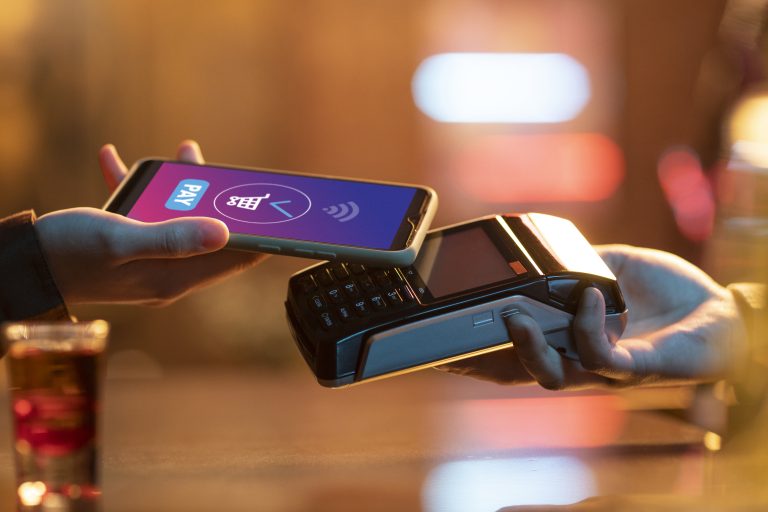
In recent years, the landscape of consumer spending has undergone a significant transformation, largely driven by the advent and proliferation of digital payment systems. From mobile wallets to contactless cards, these technologies have not only made transactions more convenient but have also reshaped the way consumers approach spending. This article delves into the rise of digital payments, their impact on consumer behavior, the decline of traditional payment methods, and the future trends likely to shape the payments landscape.
The Rise of Digital Payments in Modern Commerce
Digital payments have become an integral part of modern commerce, revolutionizing the way businesses and consumers interact. The convenience of paying with a simple tap or click has made digital payments an attractive option for consumers worldwide. This shift is largely attributed to the widespread adoption of smartphones and the internet, which have made it easier for consumers to access and use digital payment platforms such as PayPal, Apple Pay, and Google Wallet.
The global pandemic further accelerated the adoption of digital payments as consumers sought contactless, secure, and efficient ways to conduct transactions. Businesses quickly adapted to these preferences by integrating digital payment options into their operations, leading to a surge in online shopping and e-commerce activities. As a result, digital payments have not only facilitated smoother transactions but have also contributed to the growth of the global economy by enabling cross-border trade and expanding market reach.
Moreover, fintech innovations have played a crucial role in the rise of digital payments by introducing new technologies such as blockchain and cryptocurrencies. These innovations promise to enhance payment security and reduce transaction costs, further encouraging consumers to shift away from traditional payment methods. As digital payments continue to gain traction, they are poised to become the dominant mode of transaction in the foreseeable future.
Shifts in Consumer Spending Patterns Unveiled
The proliferation of digital payments has led to notable shifts in consumer spending patterns, characterized by increased impulsivity and convenience-driven purchasing. With the ease of digital transactions, consumers are more likely to make spontaneous purchases, as the barriers to completing a transaction are significantly reduced. This trend is particularly evident in the rise of microtransactions and subscription models, where consumers can make smaller, more frequent purchases without the hassle of cash handling.
Additionally, digital payments have enabled a more personalized shopping experience, as payment platforms often integrate with retail loyalty programs and personalized marketing strategies. Consumers now receive tailored offers and discounts based on their spending habits, encouraging them to spend more on products and services that align with their preferences. This personalized approach not only enhances customer satisfaction but also fosters brand loyalty, as consumers feel more valued and understood by businesses.
Furthermore, digital payments have democratized access to goods and services by bridging the gap between urban and rural consumers. With the ability to shop online and pay digitally, consumers in remote areas can now access a wider range of products and services that were previously unavailable. This shift has empowered consumers to make more informed purchasing decisions, ultimately altering their spending habits to reflect a more diverse and inclusive marketplace.
Examining the Impact on Traditional Payment Methods
The rise of digital payments has inevitably impacted traditional payment methods, leading to a decline in the use of cash and checks. As consumers increasingly opt for the convenience of digital transactions, businesses have responded by reducing their reliance on cash registers and investing in digital payment infrastructure. This shift is evident in the decreasing number of ATMs and bank branches, as financial institutions adapt to the changing payment landscape.
Despite the decline in traditional payment methods, they are not entirely obsolete. Cash remains a preferred option for certain demographics, such as older adults and individuals without access to digital banking services. Additionally, in regions with limited internet connectivity, cash transactions continue to play a significant role in local economies. However, as digital infrastructure improves, these barriers are likely to diminish, further accelerating the adoption of digital payments.
The impact on traditional payment methods is also reflected in the evolution of payment technologies. For instance, credit and debit cards have evolved to include contactless payment features, bridging the gap between traditional and digital payment methods. This integration ensures that consumers who prefer card payments can still enjoy the benefits of digital transactions, such as speed and convenience, without fully transitioning to mobile wallets or other digital platforms.
Future Trends in Consumer Payment Preferences
As digital payments continue to evolve, several trends are likely to shape the future of consumer payment preferences. One of the most prominent trends is the increasing integration of biometric authentication into payment systems. Technologies such as fingerprint scanning, facial recognition, and voice authentication are expected to enhance security and streamline the payment process, making digital transactions even more seamless and secure for consumers.
Another emerging trend is the rise of decentralized finance (DeFi) and the growing interest in cryptocurrencies as alternative payment methods. As blockchain technology becomes more mainstream, consumers may increasingly turn to digital currencies for their transactions, attracted by the potential for lower fees and enhanced privacy. This shift could lead to a more decentralized financial ecosystem, where consumers have greater control over their financial assets and transactions.
Finally, the future of consumer payment preferences will likely be influenced by the continued development of artificial intelligence (AI) and machine learning. These technologies have the potential to revolutionize digital payments by providing consumers with personalized financial insights and recommendations. As AI becomes more sophisticated, it could enable consumers to make more informed spending decisions, optimize their budgets, and enhance their overall financial well-being.
In conclusion, digital payments have fundamentally transformed consumer spending habits, offering unprecedented convenience and accessibility. While traditional payment methods continue to hold some relevance, the shift towards digital transactions is unmistakable and likely to accelerate in the coming years. As technology continues to advance, it will be intriguing to observe how consumer preferences evolve and how businesses adapt to meet the changing demands of the digital age. Ultimately, the future of consumer spending will be shaped by a combination of technological innovation, consumer behavior, and global economic trends.