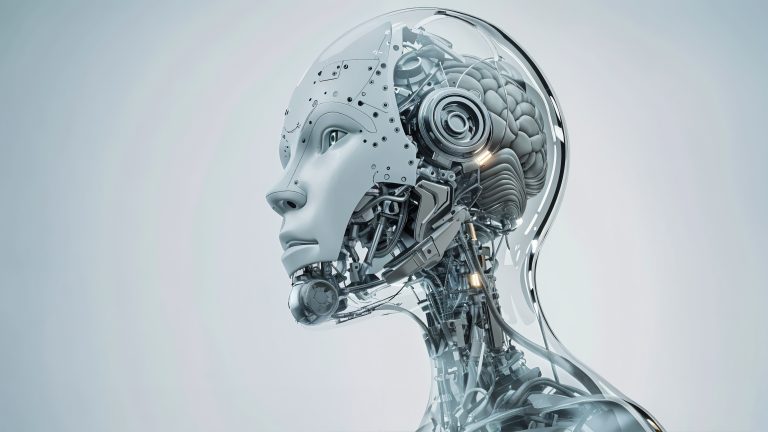
In the modern economy, automation is more than just a buzzword; it’s a transformative force reshaping industries, redefining roles, and recalibrating the skills required to succeed in the workforce. As technology continues to evolve, automation is becoming increasingly integrated into various sectors, from manufacturing to services, challenging traditional job structures and creating new opportunities. Understanding the nuances of this shift is crucial for businesses, employees, and policymakers alike as they navigate the complexities of a rapidly changing labor market.
Understanding Automation in Today’s Economy
Automation refers to the use of technology to perform tasks that were once carried out by humans, often with greater efficiency and precision. In today’s economy, automation manifests in various forms, including robotics, artificial intelligence (AI), and machine learning, each playing a pivotal role in enhancing productivity and reducing operational costs. Industries such as manufacturing have long relied on automation, but its reach now extends to sectors like healthcare, finance, and retail, where it aids in data analysis, customer service, and even medical diagnostics.
The integration of automation technology is driven by the need to stay competitive in a global market. Companies are increasingly investing in automated solutions to streamline operations and improve service delivery. This trend is fueled by advancements in technology that make automation more accessible and affordable for businesses of all sizes. As a result, automation is not only reshaping how work is done but also influencing business strategies and economic models.
However, the widespread adoption of automation also poses challenges. While it offers significant benefits in terms of efficiency and cost-effectiveness, it raises concerns about job displacement and the ethical implications of relying heavily on machines. As automation continues to permeate various sectors, it becomes essential to examine its impact on the workforce and explore strategies to mitigate potential negative effects while maximizing its advantages.
The Impact of Automation on Job Availability
The rise of automation has sparked a complex debate about its impact on job availability. On one hand, automation has the potential to displace certain jobs, particularly those involving routine and repetitive tasks. For instance, in manufacturing, robots can perform assembly line tasks with speed and precision, reducing the need for human labor. Similarly, in the service industry, AI-driven chatbots and virtual assistants are taking over customer service roles that were traditionally handled by people.
On the other hand, automation also creates new job opportunities, particularly in fields that require advanced technical skills. As machines take over mundane tasks, there is a growing demand for professionals who can develop, manage, and maintain these automated systems. This shift is leading to the emergence of new job categories, such as data analysts, AI specialists, and robotics engineers, which are essential for the continued advancement and integration of automation technologies.
The net effect of automation on job availability is complex and varies across different sectors and regions. While some industries may experience a reduction in workforce demand, others may see growth in new areas. Ultimately, the impact of automation on employment will depend on how well businesses and workers adapt to the changing landscape, emphasizing the need for continuous learning and skill development to stay relevant in an automated world.
Skills in Demand: Adapting to Automated Workplaces
As automation becomes more prevalent, the skills required to thrive in the workforce are evolving. Technical proficiency, particularly in areas like programming, data analysis, and machine learning, is increasingly in demand. Workers who can collaborate with automated systems, understand their functionalities, and leverage their capabilities are better positioned to succeed in an automated workplace. Additionally, skills related to cybersecurity are crucial as organizations seek to protect their automated systems from potential threats.
However, technical skills alone are not enough. Soft skills, such as critical thinking, creativity, and emotional intelligence, are gaining importance as they complement the capabilities of automated systems. While machines excel at processing data and performing repetitive tasks, humans are better at problem-solving, innovating, and building relationships. These human-centric skills are essential for roles that require strategic decision-making and leadership, underscoring the need for a balanced skill set in the modern workforce.
To adapt to these changes, both individuals and educational institutions must prioritize lifelong learning and skill development. Workers need to be proactive in acquiring new skills and staying updated on technological advancements. Meanwhile, educational programs should focus on integrating technical and soft skills training to prepare students for the demands of an automated economy. By fostering a culture of continuous learning, the workforce can better navigate the challenges and opportunities presented by automation.
Balancing Automation with Human Expertise
While automation offers numerous benefits, it is crucial to strike a balance between leveraging technology and maintaining human expertise. Machines can handle tasks that require speed, accuracy, and consistency, but they lack the intuition, empathy, and creativity that humans bring to the table. In sectors such as healthcare, education, and customer service, the human touch remains invaluable, emphasizing the need for collaboration between humans and machines.
Organizations must consider how to effectively integrate automation without compromising the quality of human interaction. This involves redefining job roles to enhance the synergy between technology and human skills. For example, in healthcare, AI can assist with diagnostics and data management, allowing medical professionals to focus on patient care and personalized treatment. Similarly, in customer service, automated systems can handle routine inquiries, freeing up human agents to address more complex issues that require empathy and problem-solving.
Moreover, ethical considerations must guide the deployment of automation technologies. Businesses should ensure transparency, accountability, and fairness in their use of automation, addressing concerns related to privacy, bias, and job displacement. By fostering an environment where automation complements rather than replaces human expertise, organizations can harness the full potential of technology while maintaining the social and ethical fabric of the workforce.
Automation is undeniably reshaping the workforce, presenting both challenges and opportunities. As technology continues to advance, it is imperative for businesses, workers, and policymakers to adapt to this new reality. By understanding the impact of automation, developing in-demand skills, and finding the right balance between technology and human expertise, society can navigate the complexities of an automated economy. Ultimately, the goal should be to create a future where automation enhances human potential, driving innovation and prosperity for all.